The Moment a Patient Feels Seen
In healthcare, there are moments that can stay with a patient long after their appointment has ended.
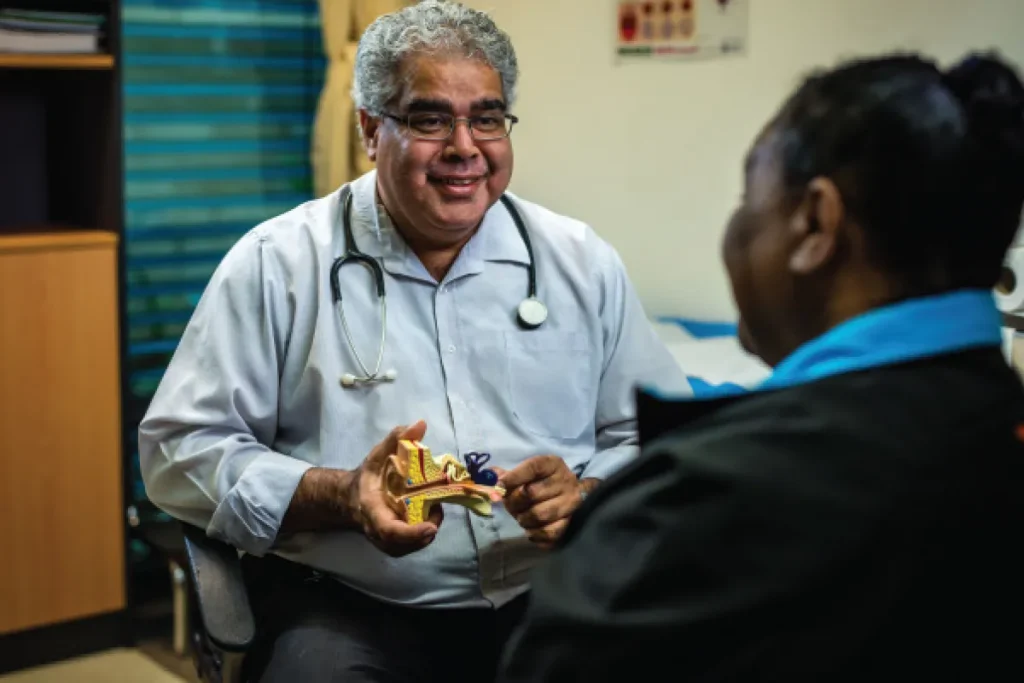
Sometimes it is a moment when a clinician really listened. Sometimes it is a moment when a healthcare professional noticed something important about a patient’s life beyond their medical condition or remembered something they said in another consult. These moments may seem small at the time, but they can shape how safe, valued, and respected a patient feels within the four walls of your examination room and in the greater healthcare system.
For many Aboriginal and Torres Strait Islander patients, one of the most significant moments that can occur in a doctor’s office is when Culture is recognised as part of their care. When Culture is seen not as a pathway to a co-morbidity, but as a rich and foundational part of the person sitting in front of you. When Culture is acknowledged as an integral part of the patients healing and wellbeing.
Too often, healthcare systems focus solely on the clinical aspects of illness. Diagnosis and treatment are essential, but health is never experienced in isolation. It is shaped by identity, family, community, spirituality, and connection to Country. For Aboriginal and Torres Strait Islander peoples, these connections are not an addition to wellbeing. They are central to it.
When healthcare professionals acknowledge this, the experience of care can shift dramatically. Patients may feel that they are not simply being treated for a condition but seen as a whole person.
This recognition does not require grand gestures. More often, it is expressed through small but meaningful actions. A clinician might ask about family members who are involved in decision making. An allied health professional might recognise the importance of community support. A healthcare worker might take time to understand cultural responsibilities that shape a patient’s daily life.
For some patients, it may also mean having their use of traditional healing practices acknowledged and respected. Across many Aboriginal and Torres Strait Islander communities, Ngangkari, and other forms of traditional healers, and plant medicine have played an important role in supporting physical, emotional, and spiritual wellbeing for thousands of years. While Ngangkari healing may sit outside Western clinical models, its significance should not be dismissed.
These moments send a powerful message. Your identity matters here. YOU are safe here.
When patients feel seen in this way, they are often more willing to engage with healthcare services. Trust begins to grow. Conversations deepen. Patients may feel safer raising concerns, asking questions, or sharing information that might otherwise remain unspoken.
These moments are not incidental. They contribute directly to Cultural safety. Cultural safety is not created by policies alone. It is experienced in the interactions between patients and those who provide care. It is built when patients consistently feel respected, valued, and emotionally safe within healthcare settings.
For healthcare professionals across Australia, recognising the cultural identities, values, and healing traditions of Aboriginal and Torres Strait Islander patients is an important step in creating these experiences. Listening with intention, remaining open, and acknowledging the broader context of a patient’s life can quietly but powerfully change the direction of care.
Sometimes healing begins not with treatment, but with recognition. Not with a diagnosis, but with feeling seen and heard.
And sometimes the most powerful moment in healthcare is the moment a patient realises they have truly been seen.
For those who wish to take time to listen, Being Ngangkari shares the voices of traditional Aboriginal healers reflecting on healing, wellbeing, and cultural knowledge, as it has been understood and practised across generations.
Watch Being Ngangkari: